
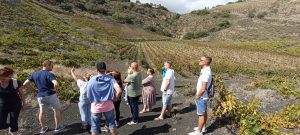
The Volcanic Secret Behind Gran Canaria’s Most Distinctive Wines
There is a reason why wine lovers are increasingly adding Gran Canaria to their travel wish lists—and it has everything to do with the ground beneath their feet.
Gran Canaria possesses more than 40 different grape varieties, of which over 25 are local varieties officially protected under the DO Gran Canaria designation . The island’s unique volcanic soil, formed by ancient eruptions and enriched by centuries of cultivation, produces wines with a character that cannot be replicated anywhere else on earth. As the island’s official tourism board puts it: “Every sip of wine from Gran Canaria is like drinking the sun, the ravines and the volcanoes” .
What makes these wines truly extraordinary is a quirk of viticultural history. Phylloxera—the devastating pest that destroyed vineyards across Europe in the 19th century—never reached the Canary Islands. This means Gran Canaria’s vines grow on their original rootstock, preserving a genetic purity and longevity that is virtually unique in the winemaking world . The local varieties you’ll taste here—Malvasía Volcánica, Listán Negro, Bermejuela, Albillo Criollo—are living relics of a winemaking tradition that stretches back to the 15th century .
For cruise passengers docking at Las Palmas, this presents an opportunity that should not be missed. The island’s wine route winds through dramatic mountain landscapes, past family-run bodegas, and into villages where winemaking is not an industry but a way of life . And the best way to experience it? A private tour that takes you beyond the tourist trail and into the heart of Canarian wine culture.
Why a Private Wine Tour Beats the Ship’s Excursion
Let’s be direct: the large-group wine tasting offered by cruise lines cannot compare to what a private tour delivers.
Ship excursions herd 40 to 50 passengers onto a motorcoach and follow a fixed, cookie-cutter itinerary . You’ll visit a commercial winery, taste a few wines, and return to the ship having learned very little about why Gran Canaria’s wines are special. The experience is pleasant enough—but it is not memorable.
A private tour with Blick Gran Canaria, by contrast, places you in a small group (1 to 8 people) with a guide who knows the island’s wine culture intimately . You visit family-run bodegas where the owner himself might pour your wine . You taste wines that never leave the island—bottles produced in quantities so small they are sold only at the cellar door. And you do it all at your own pace, with the freedom to linger over a glass or ask questions that a group tour simply cannot accommodate.
Travelers who have made the switch consistently describe the difference in emotional terms. As one verified cruiser wrote: “The whole experience was great! Touring with Israel is like having a friend or relative show you around and tell you all about the sights” . Another noted: “We had a fabulous visit to a Canarian vineyard. The guide Maria took us around to see the history of the winery and then we tasted a couple of their wines with cheese and olives” .
This is not a sales pitch. It is what actual travelers report after experiencing both options.
The Winery Experience: Bodega Plaza Perdida and Beyond
Among the island’s most historically significant wineries is Bodega Plaza Perdida, located on the Bandama road in Santa Brígida . This family-run estate offers a tour that includes a walk around the vineyards, where you can see 100-year-old stone lagares where grapes were once trodden by foot, alongside the old machinery that tells the story of Canarian winemaking’s evolution .
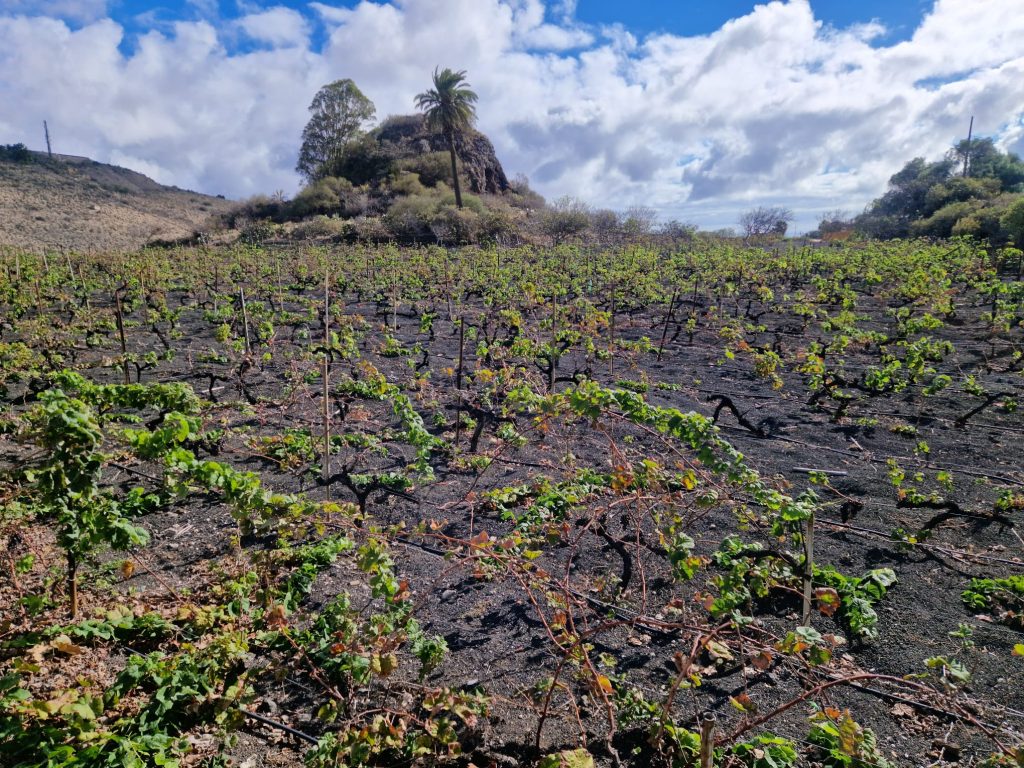
The visit includes a tasting of the estate’s wines—often accompanied by local cheese and toasted bread, served by Marcelo the state owner. Travelers consistently describe the experience with unexpected enthusiasm, even those who do not consider themselves wine experts. As one reviewer admitted: “The visit to the Bodega was a highlight despite the fact that none of us are big drinkers” . Another praised the “authentic and high-quality wines” and the opportunity to purchase bottles as souvenirs .

Beyond Bodega San Juan, the island’s wine route encompasses some 38 active wineries, each with its own character and specialities . Bodegas Bentayga in Tejeda offers tastings paired with views of the Sacred Mountains. Bodega La Montaña in Vega de San Mateo is a family-run operation where you can taste wines alongside almond cheese and seasoned olives. Bodega Las Tirajanas in San Bartolomé de Tirajana presents wines, olives, and local cheese in a relaxed setting .
A skilled private guide will match the winery to your interests—whether that means a historic estate with a museum, a modern boutique operation, or a rustic family bodega where the winemaker still works the vines by hand.
Pairing Wine with the Island’s Gastronomy
Gran Canaria’s wine culture does not exist in isolation. It is inseparable from the island’s culinary traditions—and a proper wine tour should reflect this.
The Wine Route of Gran Canaria, officially certified by the Spanish Association of Wine Cities (Acevin), encompasses not only wineries but also restaurants, wine bars, cheesemakers, and bochinches—small family-run establishments where wine pairs perfectly with traditional Canarian food . Local cheeses like Queso de Flor and Queso de Media Flor, artisanal breads, cured meats including the famous Chorizo de Teror, and olives from the island’s interior all find their natural companions in the glass.
For cruise passengers on a half-day tour, this means your wine tasting can be integrated into a broader culinary experience. A well-designed itinerary might include a stop at a traditional winery followed by a light lunch of local products, or a visit to a bochinche where the owner pours wines from his own cellar alongside plates of cheese and cured meats.
The combination is not merely about consumption—it is about understanding how landscape, climate, tradition, and human hands have created a distinct culinary culture on this volcanic island.
Practical Considerations for Cruise Passengers
Timing. A wine-focused shore excursion typically requires a minimum of 4.5 to 5 hours to be meaningful. This includes transfer time from the port, the winery visit itself, and the return journey . If your ship is in port for only 3 or 4 hours, a full wine tour is not realistic. But most cruise calls at Las Palmas allow 6 to 8 hours ashore, which is more than sufficient.
Sunday visits. Be aware that if your port call falls on a Sunday, some winery experiences are modified. The full museum tour at Bodega San Juan may be replaced with a tasting-only session . A reputable private tour operator will inform you of this in advance and adjust the itinerary accordingly.
Physical considerations. Winery tours involve walking through vineyards, cellars, and museum spaces. Comfortable shoes are essential . The tours are generally suitable for most fitness levels, but travelers with significant mobility limitations should inquire about accessibility before booking.
What to bring. Sun protection, a hat, and water are recommended for the outdoor portions of any wine tour. And of course, leave space in your luggage for bottles—many wineries sell directly to visitors, often at prices well below what you would pay abroad.
Why Blick Gran Canaria Is the Right Choice
For cruise passengers who want to experience Gran Canaria’s wine culture properly, Blick Gran Canaria has established itself as the island’s leading provider of private tours .
The company’s reputation is built on several foundations. First, expert local guides—Israel and his team are Gran Canaria natives whose knowledge extends far beyond scripted commentary. Reviews consistently praise their ability to connect wine to geology, history, and culture in ways that transform a tasting into an education . “His knowledge was in depth and we learned a great deal about history, culture and geography of the region,” writes one traveler .
Second, genuine flexibility. A private tour means you control the pace. Want to spend an extra 20 minutes photographing the vineyards? Done. Prefer to skip the museum and spend more time in the tasting room? That can be arranged .
Third, and most importantly for cruise passengers, absolute reliability regarding return to ship. Blick Gran Canaria understands the anxieties of cruise travel intimately. As one traveler confirmed: “Our guide picked us up from the cruise terminal promptly at 9am and delivered us back in plenty of time to reboard the ship” . That peace of mind is not a luxury—it is a necessity.
The company’s Volcanoes & Wine Premium Tour has become particularly popular among cruise passengers seeking a balanced introduction to the island’s wine culture. It combines the dramatic volcanic landscape of Caldera de Bandama with a visit to a traditional winery, creating an itinerary that satisfies both the eyes and the palate . Travelers describe it as “a lovely day” and “a great way to experience the island” .
Your Table Awaits
Gran Canaria’s wines are not merely beverages. They are the liquid expression of an island shaped by fire, wind, and centuries of human dedication. They carry the taste of volcanic soil, the warmth of the Canarian sun, and the craftsmanship of families who have tended vines for generations.
For the food and wine lover arriving by cruise ship, this is an invitation. The island’s bodegas are open. The glasses are ready. The only question is whether you will experience them through a bus window—or at the table, with a guide who knows the stories behind every bottle.
Browse private wine tours and secure your guide at blickgrancanaria.com.
Your ship will wait. The wine has been waiting for centuries.

